When prisons run short of space, the immediate argument is about who should be released and how soon. There is another question worth asking: why did the country make commitments it hadn't provided the capacity to carry out?
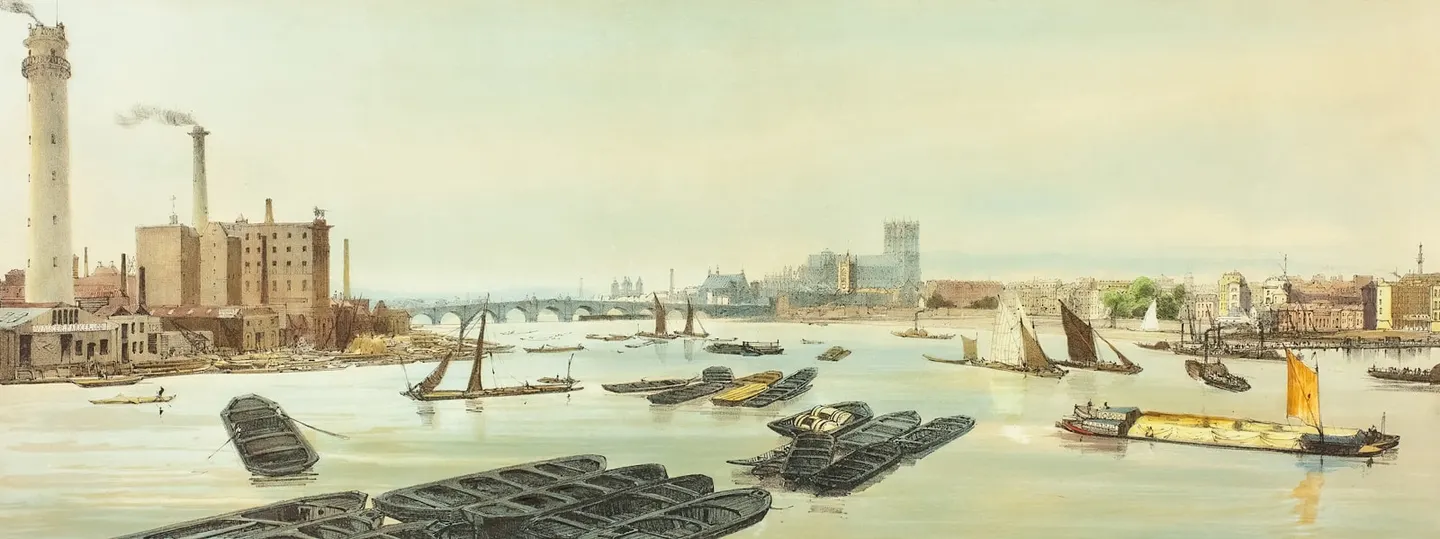
That problem has a long history. The disruption of transportation to America during the War of Independence helped lead to the use of prison hulks from 1776. An expedient intended to deal with an immediate shortage persisted for decades. Transportation to Australia later provided another outlet, before that ended too.
Much more recently, HMP Weare operated as a prison ship at Portland between 1997 and 2006. The circumstances were different, but the recurring resort to exceptional accommodation is worth noticing.
Sentencing and capacity belong in the same argument
There is a serious case for using prison less. Some sentences may do little to reduce reoffending, and alternatives can sometimes be more effective. We shouldn't assume that the right answer to every capacity problem is another prison.
But if sentences should change, the government should explain and defend that policy. If they should remain, it needs to provide the capacity they require. A persistent mismatch between the two can't be solved indefinitely through emergency arrangements.
Release rules are part of sentencing law, so a custodial sentence doesn't necessarily promise that every day will be spent inside a prison. The public should nevertheless be able to understand what a sentence means and how an emergency measure changes it.
Explain what will happen
A government may be forced to act quickly when space runs out. That doesn't make every early-release decision indefensible. It makes the account of how the emergency arose, who qualifies for release and what supervision follows especially important.
The longer an emergency lasts, the less convincing it is to describe it as an exception. We need an honest debate about punishment, rehabilitation and capacity, with the costs attached. Announcing one level of punishment while repeatedly improvising the means to deliver another is no substitute.