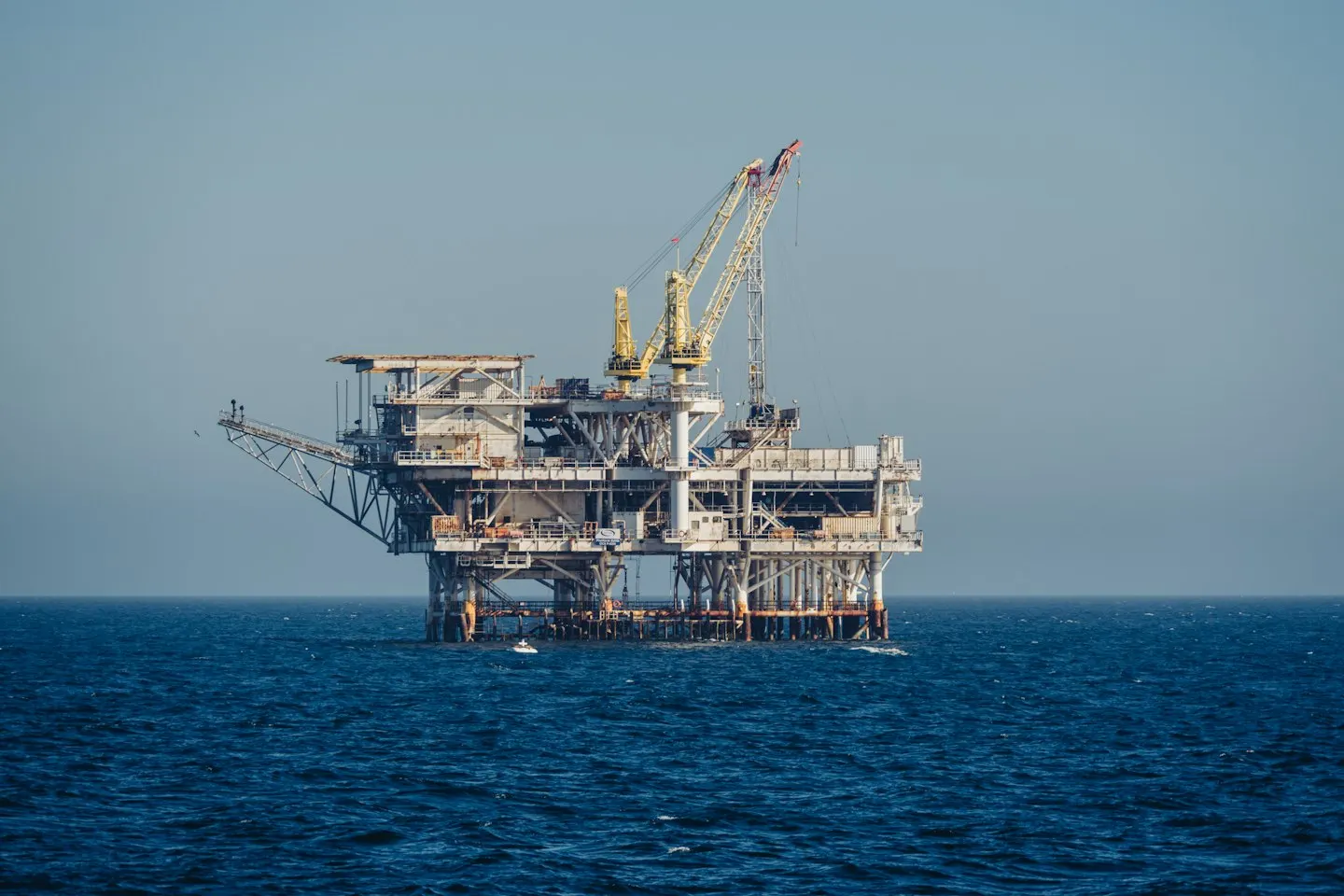
Britain collected a North Sea oil windfall and spent the revenue as it arrived. Norway eventually built a fund intended to benefit people long after the oil income declined. The contrast is worth examining without pretending the two countries faced identical choices.
Britain's revenues arrived during years of industrial decline and high unemployment. Spending money on current needs wasn't self-evidently irresponsible. Norway also had a much smaller population, so its petroleum wealth went further per person. A comparison that ignores those differences makes saving look easier than it was.
Even allowing for them, I think Britain missed an opportunity to make saving part of its normal treatment of a windfall.
What Norway put in place
Norway passed the legislation establishing its petroleum fund in 1990. The first transfer followed in 1996. Its fund manager explains that the purpose is to share oil wealth between current and future generations, with the money invested abroad.
The fiscal rule links spending over time to the expected real return. It was originally set at four per cent and reduced to three per cent in 2017. It is a framework for budget policy, rather than a claim that spending can never deviate in an individual year.
The important choice was to separate the accumulated assets from ordinary annual revenue. Spending needed to be considered against what the fund could sustainably provide, rather than treating each year's receipts as money available to use immediately.
What Britain chose instead
North Sea taxes went into the public finances. They helped pay for the choices governments made at the time. That doesn't mean the money achieved nothing: current spending and tax decisions can have lasting effects too. It means Britain didn't retain a comparable financial asset specifically representing that resource wealth.
A rule alone can't explain the entire difference between the countries. The size of the windfall, population, economic conditions and political choices mattered. But a standing saving arrangement would at least have required British governments to make an explicit decision about how much to preserve.
The opportunity now
A fund started from the remaining North Sea revenues couldn't simply reproduce Norway's history. The resource is more mature, and the years of income already spent can't be recovered by announcing a new institution.
Future one-off receipts still raise the same question. An asset sale or a temporary windfall can be used to meet this year's pressure, reduce debt or build assets for later. Each has a case. What worries me is allowing immediate spending to win by default, without a clear account of what the country gives up.
We can't go back and save the oil revenue twice. We can decide more deliberately what to retain from the next windfall.